
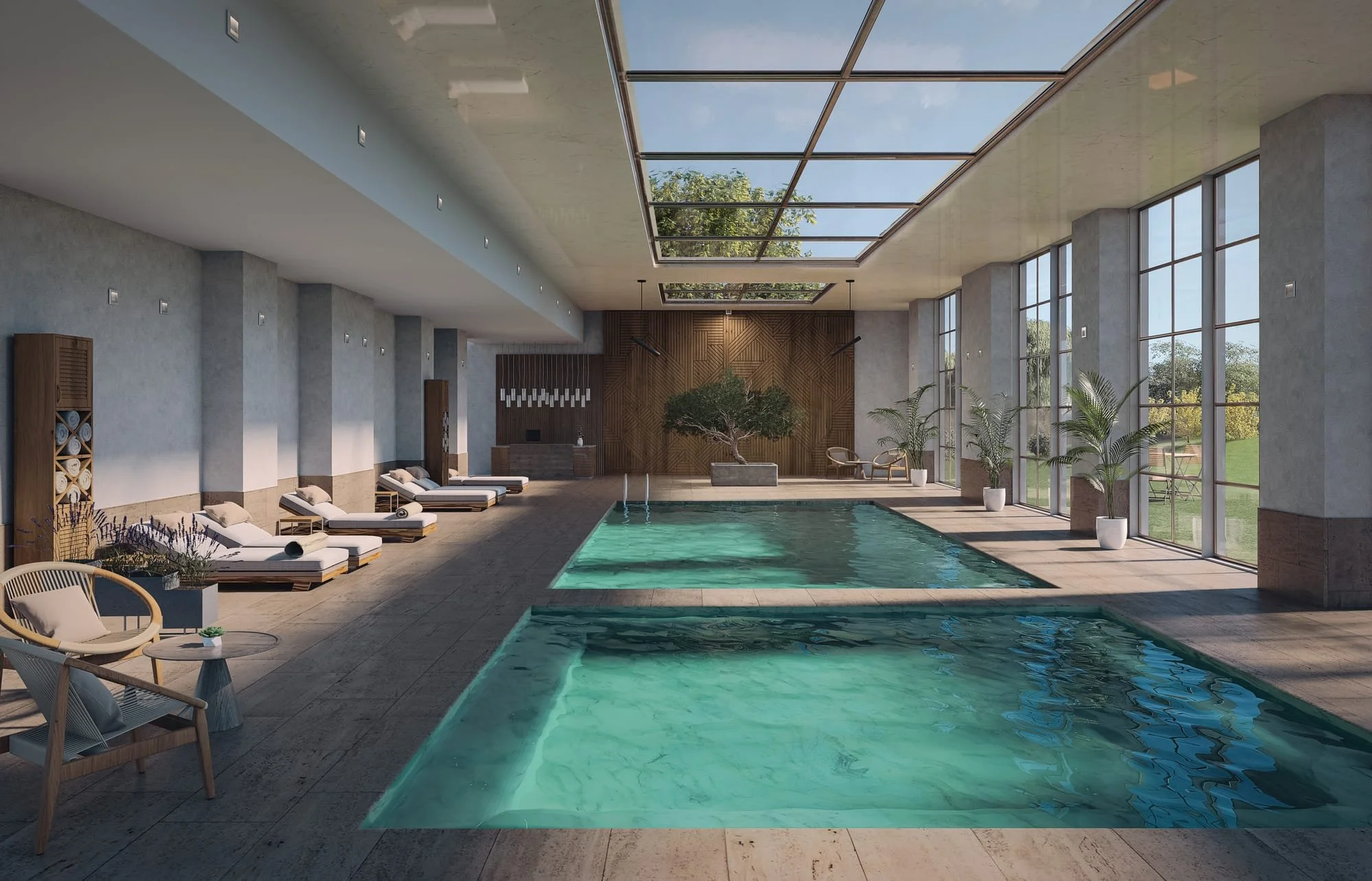
Why Your 5-Star Spa Generates Less Revenue Than Your Restaurant?
You invested €2M in a world-class facility. Your spa team is technically excellent. But occupancy is 45%, ADR is €120, and your GM questions the investment. This is not a facility problem. It's a business problem.
THE PROBLEM
Most luxury hotel spas fail because no one taught spa managers how to think like business leaders. Your spa manager is excellent at hospitality. But he/she inherited a €500k budget with zero P&L training.
Your receptionist—the person who actually sells 60% of treatments—was never taught a single sales technique. Your pricing is reactive, not dynamic. And wellness operates in isolation, disconnected from Rooms, F&B, and Guest Experience.
The result? A beautiful facility that generates 2-5% of hotel revenue instead of 10-15%. This costs you €50k-€150k annually. In lost revenue. Not facility investment.
MY FRAMEWORK
I fix this with a 4-Layer Spa Profitability System:
LAYER 1: AUDIT & DIAGNOSIS
I baseline your KPIs (capture rate, ADR, GOP, team capability, pricing power). Result: 3-page diagnostic report + 3 quick wins you can implement immediately.
LAYER 2: LEADERSHIP OPTIMIZATION
I transform your spa manager from operator to business leader. Your team learns: pricing psychology, guest storytelling, KPI accountability. Result: 20-30% productivity lift in 8 weeks. No capex required.
LAYER 3: REVENUE ARCHITECTURE
I redesign your pricing strategy, retail approach, F&B integration, corporate partnerships. Result: €30k-€50k incremental revenue. Sustainable. No new capex.
LAYER 4: SUSTAINABLE EXCELLENCE
I mentor your team through ongoing implementation. You own the results. Result: A system that runs without me. Wellness integrated into your hotel's DNA.
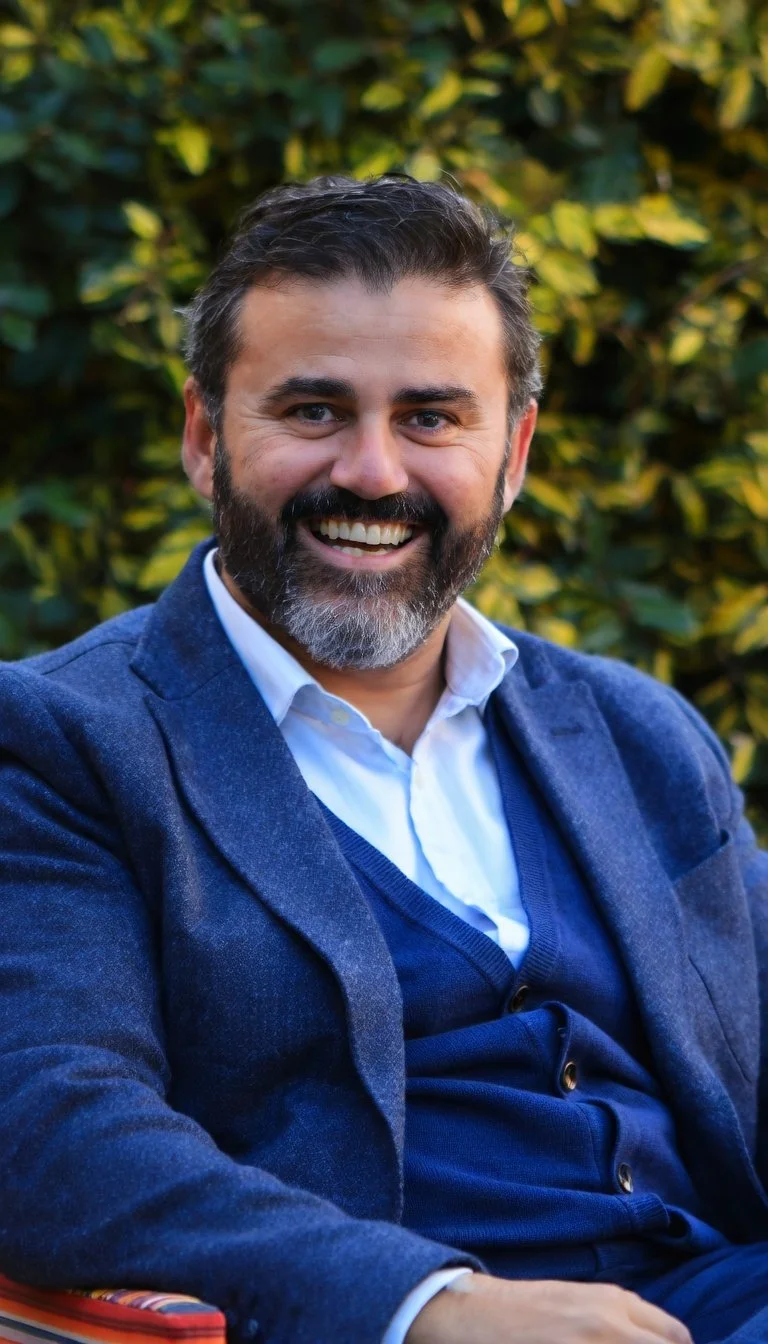
Throughout 25 years of working in and auditing some of the world’s most exclusive spas, one truth has emerged time and again:
The vast majority of spas fail to reach their true potential—not due to a lack of facilities, but due to a lack of leadership expertise.
Many Spa Managers step into their roles without a solid foundation in financial management, strategic marketing, dynamic pricing, team leadership, or the true concept of holistic wellness. They are handed a department generating hundreds of thousands of euros with very little specific business training.
When results fall short, it’s easy to blame the team, the location, or the market. But the reality is that strong leadership is the differentiator between a spa that merely survives and one that becomes a profitable, sustainable revenue stream.
Work Principles
1. Professional Integrity
If I see a wellness program won't work for your specific hotel, I say so. Strategy is only valuable if it's executable within your reality.

2. Accountability
I don't hand off reports and disappear. I mentor your team through implementation. You succeed only when your team owns the results.

3. Operational Respect
I work through analysis, structure, and real-world implementation, ensuring that every proposal is viable within the hotel's specific context.
FAQ
Q: How long until we see results?
A: Quick wins (revenue) in 90 days. Sustainable system in 6-9 months.
Q: What's the investment?
A: Diagnostic audit: €5,000-€9,000. Full program: €15k-€30k. Average ROI: 4-6 months.
Q: Will this disrupt my operations?
A: No. All changes are phased with minimal team disruption. We work around your service schedule.
Q: What if my manager resists change?
A: Resistance usually disappears after week 3 when she sees results. This is addressed in the leadership layer.
Q: Is this an additional cost or a real revenue opportunity?
A: When wellness is integrated strategically, it becomes a revenue engine. In most hotels, 30-40% of spa potential remains untapped. A proper integration enables higher capture rates, increased average spend, and 10-15% wellness contribution to total hotel revenue.
Q: How does this differ from traditional spa consultancy?
A: Most consultancies treat the spa as an isolated department. My approach is based on this principle: wellness is a strategic layer that flows through your entire hotel—rooms, F&B, guest experience, operations. The result is not just a better spa, but a more cohesive, differentiated, and profitable hotel.